Room by room fall risks to check in a family home
Falls at home often come from ordinary things: a loose mat, a dim hallway, shoes left by the door, a pet crossing behind someone carrying laundry. A room by room check makes these risks easier to spot, especially when different family members move through the same spaces at different times of day. The aim is not to turn a home into a hospital. It is to make daily movement predictable, visible and uncluttered.
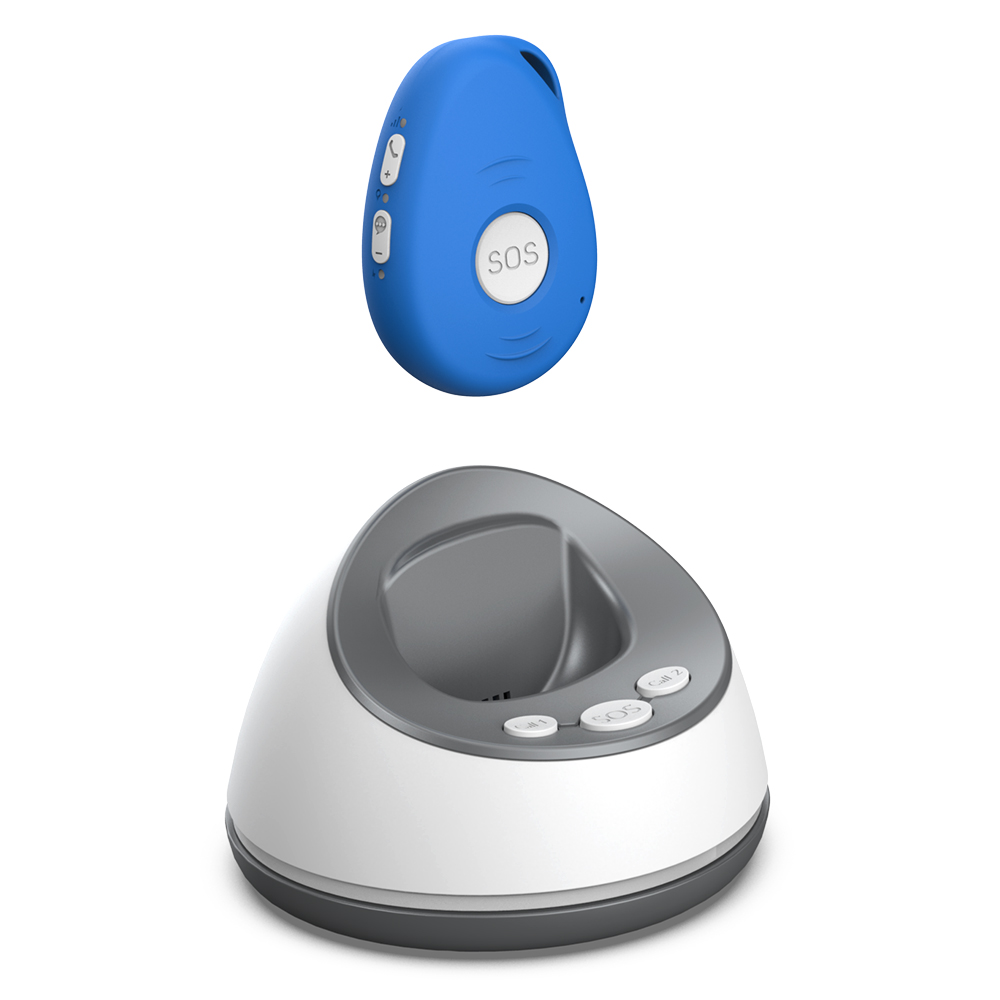
Start with the routes people use most. Walk each route slowly and notice where the floor changes, where light drops away and where a hand would land if balance slipped. A fall alert pendant can be part of that plan, but it should sit alongside practical changes to the home. Wearable medical alarms from Familyr provide SOS alerts, fall detection, GPS location checks and two-way calling without a monthly monitoring fee, which may matter to families comparing ways to stay connected.
Entryways and hallways
Entryways collect hazards because they are used by everyone and often hold bags, shoes and parcels. Check that the path from the door to the main living area is clear at all hours. Shoes, umbrellas and shopping bags should have a set place that does not sit in the walking line. If a mat is used, make sure it lies flat and does not curl at the edge.
Hallways need even light, not one bright bulb followed by dark patches. A light near the floor can help when someone is moving at night. Check switches from both ends of the hall where possible, so nobody has to walk far in the dark to turn a light on. Loose floorboards, uneven thresholds and raised carpet edges deserve attention, especially where a walker or cane may catch.
Think about what happens when the front door opens inward while someone is standing close by, or when a screen door swings across the path. Small layout details can cause a stumble when hands are full. A family check works best when it looks at movement, not just objects.
Living room and seating
The living room should support easy sitting and standing. Check that chairs are stable, not wobbling on one leg, and that they are not placed on slick rugs. A chair with a firm seat and arms can make standing safer for many people, though comfort and body size still matter. Avoid low, deep seats that make it hard to get up without pushing hard on cushions.

Look at the path between seating and everyday destinations such as the kitchen, bathroom and front door. Cables, toy baskets, pet bowls and side tables can narrow that route. If a coffee table sits in the middle of the room, check whether people have to twist around it to reach a seat. A cleaner line of travel reduces the chance of catching a hip or foot.
Remote controls, phones and reading glasses often end up on armchairs or the floor. Keeping essentials within easy reach reduces repeated trips and rushed movements. If someone uses a Familyr Medical Alarms fall detection device, a consistent place for daily items can also make it easier to keep the wearable with them.
Kitchen
Kitchens combine hard floors, sharp edges, water, stools and busy movement. Check the floor first, especially near the sink, fridge and bench where spills are common. Wipe spills promptly and look for worn floor surfaces that might become slippery. A mat should stay flat and should not slide when stepped on.
Frequently used items belong between waist and shoulder height where practical. Repeated bending, reaching into deep cupboards or standing on stools can unsettle balance, particularly when someone is carrying a hot dish or a full kettle. Heavy items on high shelves are worth moving. If a step stool is needed, it should be stable, dry and used only on a level floor.
Check the order of daily tasks as well as the objects. A person might carry plates from the bench to the table, then return for drinks, then cross back for utensils. Each trip is a chance to trip over a chair leg or a bag on the floor. Moving chairs out from the table before clearing away can make the route more obvious. Leave appliance cords short and tidy, and keep drawers closed so nobody catches a shin on an open handle.
Bedroom
Bedrooms are often dark, quiet and full of soft obstacles. Check the route from the bed to the bathroom, especially at night. Slippers, laundry baskets, bags and pet beds can all sit in that narrow path. A clear route matters more than perfect furniture arrangement.
Light switches should be easy to reach from the bed and along the route. If someone gets up during the night, they should not need to cross a dark room before they can see the floor. Keep a torch or motion light in a familiar place if full lighting would disturb sleep. Check that the bed is at a height that allows feet to sit flat when sitting on the edge, and that the mattress does not slide on the base.
Phones, glasses, medication and water are best kept somewhere reachable rather than across the room. The same applies to a fall alert pendant or other wearable alarm. If it is left on a charger out of reach, it is less useful during a late night trip. A bedside spot can be practical as long as it does not create clutter on the floor.

Bathroom and laundry
Bathrooms need particular care because wet surfaces reduce grip and the room is usually small. Check that the floor is not slippery when damp and that bath mats stay in place. Grab rails can help when they are fixed securely in the right spots, but fittings should be chosen and installed by a suitably qualified professional. Loose towel rails and soap holders should not be used for support.
Look at the route from the shower or bath to the towel and then to the door. A towel on the floor can become a slip risk. Soap, shampoo and bottles should not collect along the edge of the bath or shower. A shower chair or non slip surface may help some people, but the choice depends on mobility, space and safe installation.
In the laundry, check for baskets in the walking line, detergent on shelves above head height and cords across the path. Carrying a loaded basket can block vision and shift weight forward. Keeping the basket close to the machine and clearing the route to the door reduces awkward turns. If the floor is often wet, deal with the source rather than simply adding more mats.
Stairs and steps
Stairs deserve a careful visual check rather than a quick glance. Look for loose carpet, worn nosings, missing anti slip strips and uneven steps. The edge of each step should be easy to see, especially in low light. Shadows that hide the step edge can make a familiar staircase feel uncertain.
A handrail on both sides is useful because people approach from different directions and may favour one hand. It should be secure and easy to grip along the full length. If a rail wobbles, that is a job for a qualified professional. Do not rely on tape, temporary fixes or a rail that moves under weight.
Keep stairs free of shoes, books, toys and laundry, even if they are there for a short time. Steps outside the home need the same attention, including garden steps and the path to the letterbox. Wet leaves, moss and broken paving can change a safe route into a risky one. Lighting at outdoor steps helps people judge where each step ends.
Outside paths and garden edges
Outdoor areas change with weather, growth and everyday use. Check paths for cracks, raised paving, loose gravel and roots that lift the surface. Garden hoses should be coiled away when not in use. Tools, pots and bins should not narrow the path to the door or garage.
Night lighting is useful at entrances, along paths and near steps. It does not need to be bright enough to read by, but it should show the surface clearly. Motion lights can be convenient, though people still need time to see the change in light. Check that switches are reachable and that the route is not blocked by plants that have grown over the path.
Gates, latches and uneven ground can also create problems. A gate that swings back quickly or a latch that sticks can throw someone off balance. Note these spots and make a practical repair or ask for help where the fix is beyond a simple household task.
Choosing what to address first
A full home check can feel large, so rank changes by how often an area is used and how much harm a fall there could cause. Night routes to the bathroom, stairs, wet floors and busy kitchen paths usually deserve early attention. Changes that remove a hazard altogether often matter more than adding a device that only helps after a fall.
Still, a wearable alarm can add reassurance when someone spends time alone or moves around at night. Familyr Medical Alarms fall detection device is one option families may compare when looking at SOS alerts, fall detection, GPS location checks and two-way calling. Any device needs to be worn or kept close to be useful, so comfort and daily routine are part of the decision.
Make the check a shared household habit. Different people notice different risks: one notices dim light, another notices the rug that always shifts. Revisit the home after furniture moves, renovations, new pets or changes in mobility. Fall prevention works best when the room continues to be checked as life in it changes.